

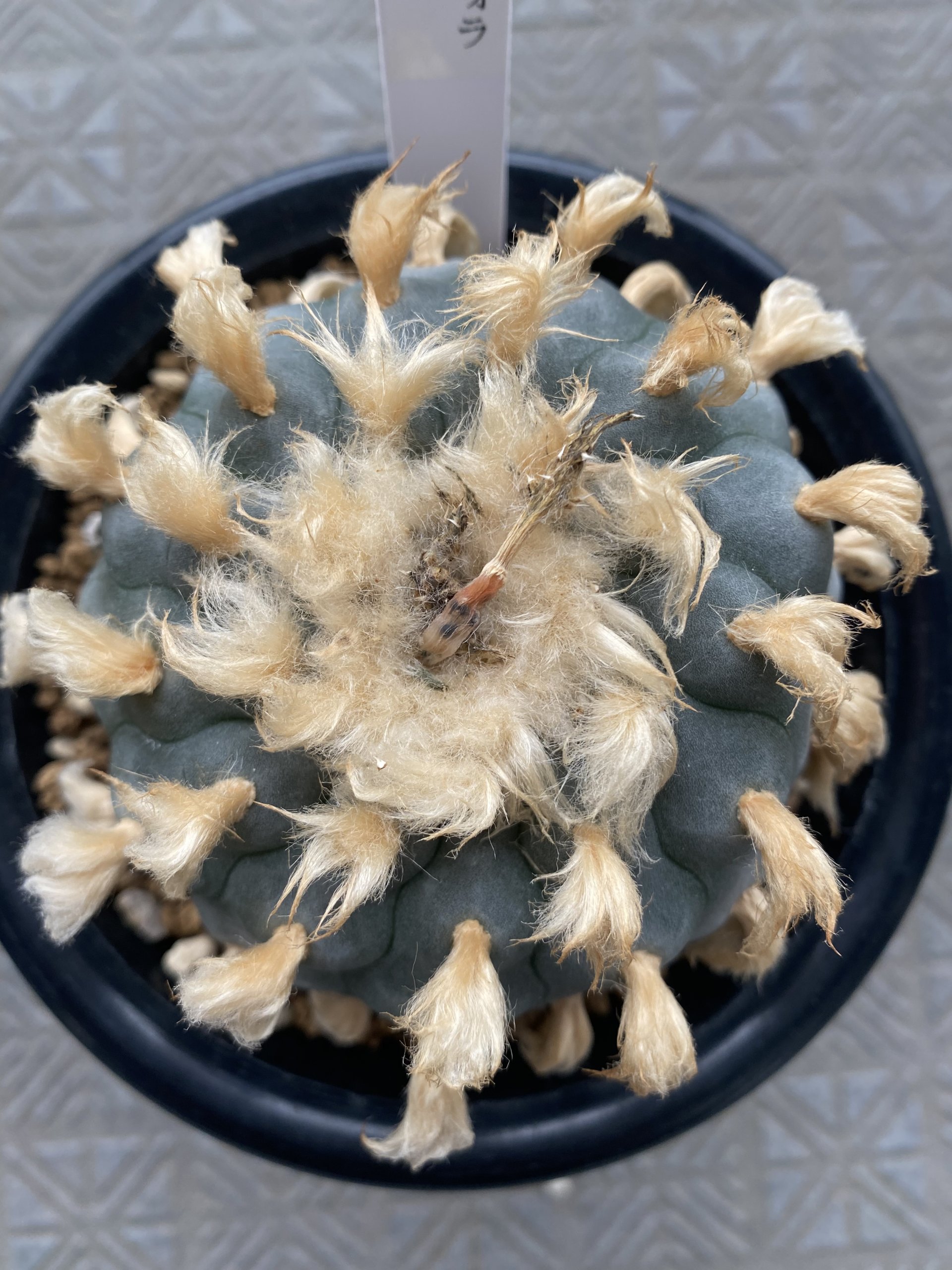

Description
Aged Lophophora williamsii — 27 Years of Growth, Resilience, and Natural Beauty
Meta Description
Discover the rare, 27-year-old Lophophora williamsii cactus, a seed-grown, own-rooted, flowering specimen representing patience, authenticity, and natural artistry. Learn about its history, growth habits, care, and cultural significance in this in-depth educational guide.
Introduction: The Timeless Allure of a Living Desert Treasure
Among the world’s most revered desert plants, Lophophora williamsii, commonly known as Peyote, stands as a symbol of resilience, adaptation, and cultural reverence. This 27-year-old, 8 cm specimen represents not just botanical maturity but the art of patience itself.
For nearly three decades, this cactus has grown slowly and deliberately from seed on its own root system. Now fully mature and flowering, it embodies authentic growth, ecological endurance, and the quiet power of time in nature.
To horticulturalists and collectors, such a plant is more than a specimen, it is a living archive of history and evolution.
Botanical Overview of Lophophora williamsii
Taxonomy and Classification
-
Scientific Name: Lophophora williamsii (Lem. ex Salm-Dyck) J.M. Coult.
-
Family: Cactaceae
-
Genus: Lophophora
-
Common Name: Peyote
-
Native Range: Chihuahuan Desert of northern Mexico and southern Texas
-
Growth Form: Globular, spineless cactus with subterranean root system
-
Average Lifespan: Several decades under proper care
This species is a slow-growing cactus characterized by its smooth, button-like body, radial symmetry, and delicate pink or white flowers. Over many years, its form becomes rounded and dense, giving it a sculptural, stone-like beauty that contrasts with its softness and life.
Age and Authenticity: Why 27 Years of Growth Matters
A Lophophora williamsii that has reached 27 years of age represents a milestone in cultivation and endurance. The plant’s 8 cm diameter reflects slow, steady development, a sign of deep rooting, stable physiology, and authentic maturation.
Characteristics of a Mature Peyote
-
Compact symmetry: Decades of balanced growth create a rounded, uniform shape.
-
Distinct coloration: Mature plants exhibit a bluish-green tone with subtle rib divisions.
-
Flowering capability: Aged Peyotes can flower multiple times a year under optimal conditions.
-
Taproot strength: The thickened root supports moisture retention and nutrient storage for long-term survival.
Each aged Peyote carries visible traces of time, minor scars, growth rings, and mature textures that tell the story of endurance in dry, challenging environments.
The Symbolism of Maturity: Time as a Teacher
In both botany and cultural heritage, a cactus that has reached such age becomes a symbol of persistence and spiritual continuity. Its slow rhythm mirrors natural cycles, a reflection of harmony between life, earth, and time.
To many plant caretakers, a decades-old Peyote represents more than horticultural success; it embodies the meditative patience required to coexist with nature’s pace.
Caring for such a plant is not about quick results, it’s about fostering a relationship measured in years, not weeks.
The Form and Beauty of Mature Peyote
As Lophophora williamsii matures, it develops a perfectly rounded form with subtle, radial ribs. Its spineless surface is soft and smooth to the touch, covered with tufts of fine, woolly trichomes at its crown.
Aesthetic Highlights
-
Color: Ranges from pale green to deep bluish-green depending on age and light exposure.
-
Texture: Soft, fleshy skin with gentle ridges and woolly areoles.
-
Flowers: Small, funnel-shaped blossoms, usually pale pink to white, that appear at the center of the crown.
When in bloom, the delicate flowers contrast beautifully against the cactus’s muted body, creating a striking visual harmony between resilience and fragility.
For collectors, the flowering of a 27-year-old Peyote is a living reward, a moment that celebrates both human care and natural endurance.
Historical and Cultural Context
Indigenous Significance
The Lophophora genus holds deep roots in Indigenous cultures of northern Mexico and the southwestern United States. For thousands of years, these communities have regarded the plant as a sacred symbol of unity, healing, and connection with nature.
While the Peyote’s ceremonial role is well-documented, its deeper significance lies in respect for balance and endurance, values mirrored in its ability to thrive in harsh, arid environments.
Modern Educational Perspective
Today, Lophophora williamsii is studied in ethnobotanical, ecological, and horticultural contexts. Researchers and growers explore its adaptive physiology, seed germination behavior, and conservation needs to better understand the desert ecosystems it supports.
Through education and ethical cultivation, the species continues to inspire curiosity and respect, bridging the worlds of science, tradition, and conservation.
Why Seed-Grown, Own-Rooted Peyote Is Important
Authentic Development
A seed-grown Peyote follows a natural rhythm of growth, forming its own taproot and internal structure. Unlike grafted plants, which rely on another cactus for sustenance, own-rooted Peyotes develop self-sufficiently, resulting in stronger, more balanced growth.
Advantages of Seed-Grown Cultivation
-
Authenticity: Replicates natural wild growth.
-
Stability: Own roots support longevity and health.
-
Ethical sourcing: Avoids depletion of wild populations.
-
Resilience: Better adaptation to environmental changes.
In essence, every seed-grown Peyote is a testament to responsible horticulture and sustainability.
The Flowering Cycle of a Mature Peyote
Flowering in Lophophora williamsii marks a significant biological stage. Mature specimens like this 27-year-old plant produce small, star-like blooms at the crown, signaling reproductive vitality.
Flowering Facts
-
Season: Typically in spring and summer, depending on temperature and light.
-
Color range: Soft pink to near white.
-
Duration: Blooms last a few days but may recur throughout the growing season.
-
Pollination: Can self-pollinate or cross-pollinate with nearby plants, producing small seed pods.
For horticulturalists, the appearance of flowers signifies perfect balance between root stability, hydration, and light exposure, a hallmark of successful long-term cultivation.
Cultivation and Care Guide for Long Life
Although Lophophora williamsii is slow-growing, it is surprisingly low-maintenance once established. Proper care ensures it continues to thrive for many more decades.
Soil Requirements
Use a mineral-based cactus substrate that drains quickly. A mix of pumice, perlite, and coarse sand with minimal organic matter works best.
Watering Schedule
Water sparingly. Allow the soil to fully dry between waterings. Overwatering is one of the main causes of root decay.
Light and Placement
Provide bright but indirect sunlight. Intense midday light can cause sunburn on the smooth surface. Filtered sunlight or partial shade works well.
Temperature and Climate
Maintain a warm, arid environment between 18°C and 30°C (65°F–86°F). Avoid frost, as prolonged cold can damage the plant.
Containers and Repotting
Use shallow clay pots with drainage holes. Repot every 3–4 years to refresh soil and inspect the taproot.
Feeding
During active growth (spring and early summer), apply a low-nitrogen cactus fertilizer monthly to encourage healthy tissue development.
With consistent care, a Peyote cactus can live well beyond 50 years, continuing to flower and propagate through seed production.
Ethical and Sustainable Cultivation
With wild Lophophora populations facing habitat loss and overharvesting, ethical cultivation practices are more crucial than ever.
Sustainable Growing Principles
-
Grow from seed — Never collect plants from the wild.
-
Support verified growers — Purchase from ethical, conservation-minded nurseries.
-
Promote education — Use cultivated specimens to raise awareness about desert ecosystems.
-
Share responsibly — Exchange seeds and information with fellow growers to encourage sustainable propagation.
By cultivating rather than harvesting, collectors play a key role in preserving biodiversity and honoring the cultural heritage of desert flora.
Conservation and the Future of Lophophora williamsii
Ecological Importance
As a slow-growing desert plant, Lophophora williamsii contributes to the stability of arid ecosystems by conserving moisture and supporting pollinators such as bees and moths.
Threats to the Species
-
Habitat destruction from agriculture and development.
-
Unsustainable collection for ornamental or traditional purposes.
-
Climate change affecting rainfall patterns and soil composition.
Through education, conservation programs, and seed propagation, many botanical gardens and private growers now work to protect the species for future generations.
A 27-Year-Old Peyote: A Testament to Time
Owning or studying a Peyote cactus that has reached 27 years of age is an experience few have. This living plant represents nearly three decades of growth, care, and survival, a biological narrative of endurance through environmental shifts and human stewardship.
Every curve, ridge, and bloom on its body tells a story of adaptation. In an age of instant gratification, this plant reminds us that true growth takes time, patience, and respect for natural rhythms.
Why This Peyote Is Exceptional
Age and maturity — 27 years of continuous growth.
Size and presence — 8 cm diameter, fully developed.
Seed-grown and own-rooted — authentic and sustainable.
Flowering stage — thriving reproductive maturity.
Cultural heritage — symbol of patience and natural wisdom.
Conservation value — promotes awareness of ethical cultivation.
To nurture such a plant is to participate in an ancient lineage of care, linking past and present through the quiet persistence of the desert.
Conclusion: A Living Legacy of Patience and Respect
The Aged Lophophora williamsii is more than an ornamental cactus, it is a teacher of time. Over 27 years, it has transformed from a tiny seed into a mature, self-sustaining, flowering organism.
Its existence reminds us of resilience, adaptation, and harmony, principles shared by both natural ecosystems and human traditions that revere them.
Whether kept in a greenhouse, a personal collection, or a botanical garden, this plant stands as a living emblem of sustainability, patience, and reverence for nature’s enduring artistry.


