
Description
Lophophora williamsii Cristata: The Rare Crested Peyote Cactus — History, Meaning, and Cultivation Guide
Meta Description
Discover the fascinating world of Lophophora williamsii Cristata, the rare crested Peyote cactus. Learn its botanical origins, spiritual symbolism, cultural history, and expert care tips for growing this unique seed-grown, own-root cactus.
Introduction: The Living Legend of the Crested Peyote Cactus
The Lophophora williamsii Cristata, commonly known as the Crested Peyote cactus, is one of the most extraordinary and mystical plants in the world of botany. Celebrated among collectors, ethnobotanists, and spiritual seekers alike, this rare crested cactus captivates with its fan-like growth patterns, slow maturation, and deep cultural significance.
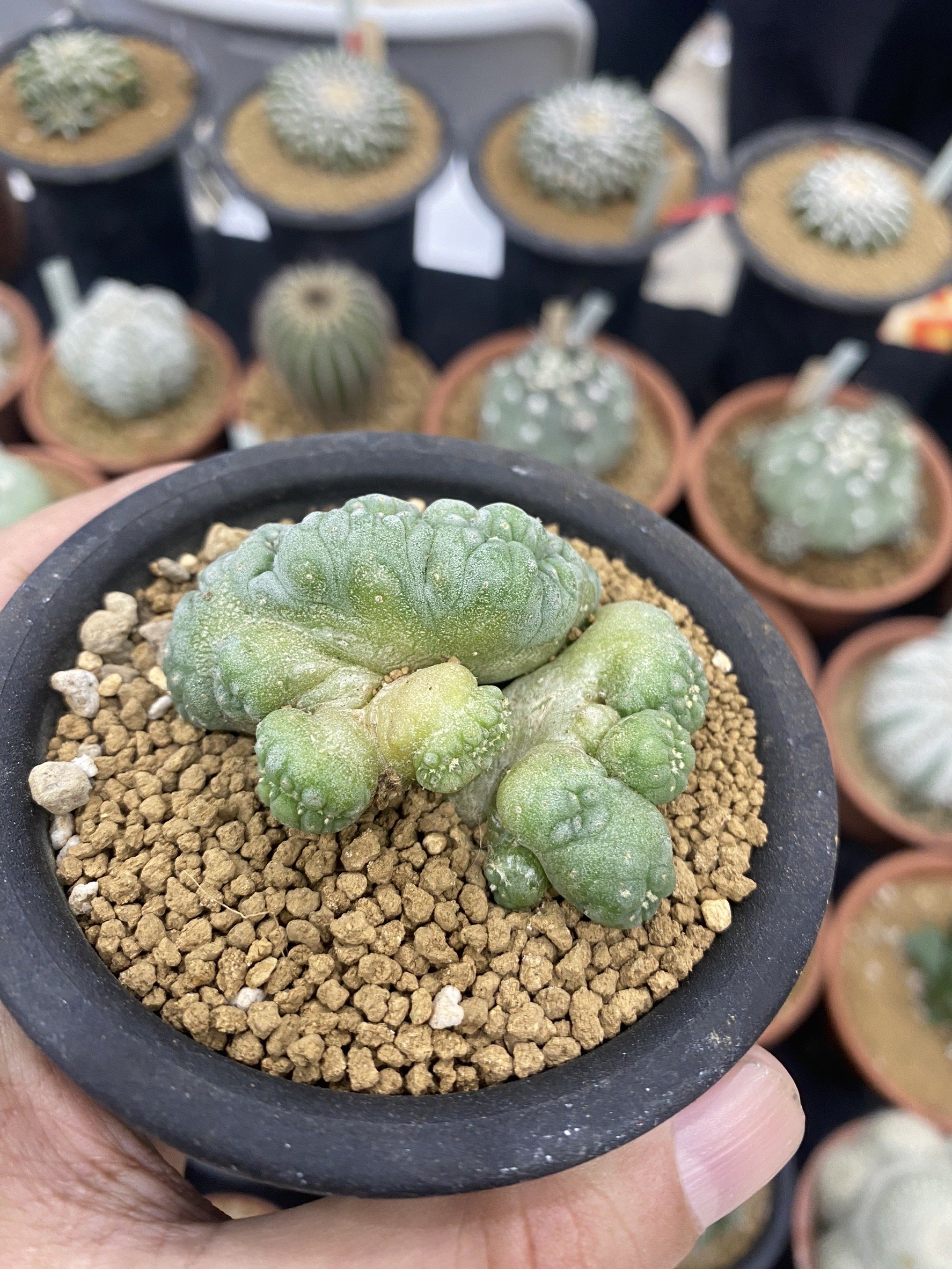
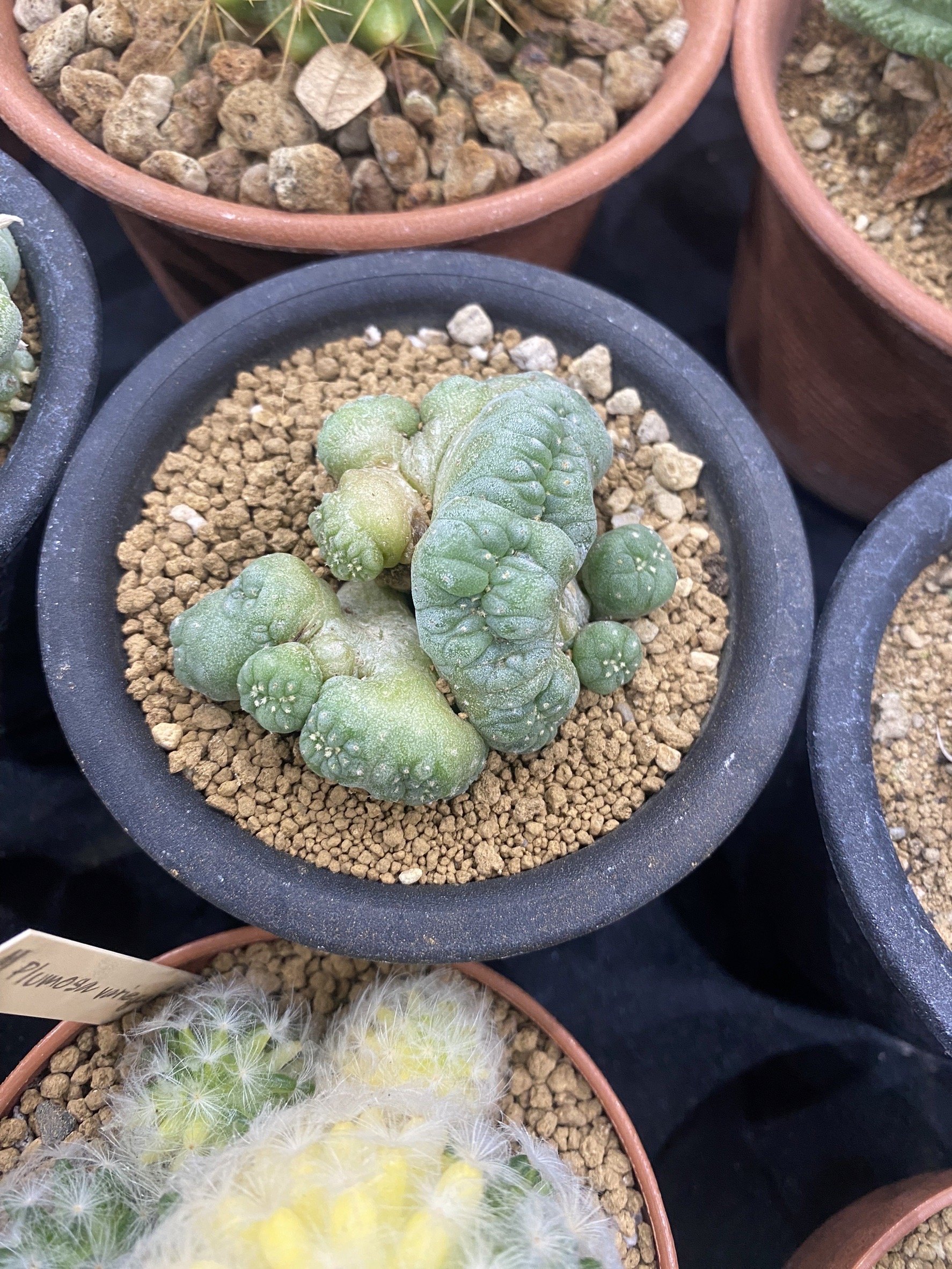
Unlike typical round Lophophora cacti, the Cristata form develops stunning undulating crests that resemble ocean waves or brain-like folds, a mesmerizing mutation that makes every individual plant a one-of-a-kind masterpiece of nature.
This educational article explores every aspect of Lophophora williamsii Cristata: its scientific background, spiritual symbolism, history of reverence, and detailed care and cultivation techniques. Whether you are a botanist, collector, or cultural enthusiast, understanding this cactus reveals why it stands as one of the most iconic and sacred plants in human history.
What Is Lophophora Williamsii Cristata?
The Lophophora williamsii Cristata is a mutant crested form of the classic Peyote cactus, a species native to northern Mexico and parts of southern Texas. The word Cristata (Latin for “crested”) describes the abnormal growth pattern that occurs when the plant’s central growing point divides irregularly.
Instead of forming round, button-like heads, the cactus grows into fan-shaped ridges, spirals, and folds. This gives the Cristata Peyote its distinctive aesthetic appeal and makes it exceedingly rare in nature.
Each crested Peyote cactus is genetically unique, no two ever share the same pattern. Because of this natural rarity, mature, seed-grown Cristata specimens (especially those grown on their own roots rather than grafted) are highly prized by collectors and can take decades to reach full size.
Botanical Characteristics of the Crested Peyote
-
Scientific Name: Lophophora williamsii Cristata
-
Common Name: Crested Peyote cactus
-
Family: Cactaceae
-
Origin: Chihuahuan Desert, northern Mexico, southern Texas
-
Size: 8–9 cm diameter (mature specimens can reach larger sizes)
-
Growth Habit: Crested, fan-like mutation of standard globular Peyote
-
Root System: Taprooted; often grown on own roots for authenticity
-
Flowers: Pinkish-white; small, delicate, appear in summer
-
Age of Maturity: 20–30 years for flowering seed-grown plants
The Cristata form retains all biological traits of Lophophora williamsii, including its slow growth rate, fuzzy areoles, and lack of spines. Mature plants produce beautiful pink-white flowers, a sign of full health and stability after decades of careful cultivation.
The Beauty and Rarity of the Crested Form
Among all cactus mutations, the Cristata (crested) form of Peyote is one of the most coveted. Its rippled, brain-like structure symbolizes complexity and transformation in nature.
In contrast to the classic round Peyote cactus, which grows symmetrically in small “buttons,” the Cristata’s irregular growth creates dynamic, sculptural forms, some resembling coral reefs, others intricate labyrinths.
Collectors describe each Cristata as a living sculpture, an organic artwork shaped over decades by genetic chance and time. Because these mutations occur naturally but rarely, seed-grown Cristata Peyote plants are exceptionally scarce, especially those grown authentically on their own roots instead of grafted onto faster-growing cacti.
Historical and Cultural Significance of Peyote
Ancient Reverence and Ritual Use
Lophophora williamsii (Peyote) has been sacred to Indigenous peoples of Mexico and the American Southwest for thousands of years. Archaeological evidence, including dried Peyote specimens found in caves, dates ritual use back over 5,000 years.
For tribes such as the Huichol (Wixárika), Tarahumara, and Native American Church members, Peyote is far more than a plant, it is a spiritual sacrament symbolizing divine communication, healing, and introspection.
During ceremonial use, participants seek visions, emotional purification, and connection to the Creator. The Crested Peyote, because of its unique and otherworldly form, is often seen as a symbol of transformation, higher consciousness, and spiritual unity.
Peyote in Modern Culture
In contemporary times, Peyote continues to be respected both as a spiritual teacher and a botanical wonder. While its ritual use remains legally protected only for certain Indigenous groups, its botanical cultivation for research, conservation, and education has gained international interest.
Collectors and botanists cultivate Lophophora williamsii Cristata to preserve genetic diversity, study plant morphology, and celebrate its ecological and cultural legacy.
The Spiritual Symbolism of the Cristata Peyote
The Crested Peyote cactus embodies a rich tapestry of spiritual meanings. Its intricate growth patterns are often interpreted as reflections of expanded consciousness and interconnectedness.
-
Crested growth → Symbol of transformation and evolution
-
Circular waves → Represent cycles of rebirth and cosmic unity
-
Decades of growth → Embody patience, wisdom, and timeless endurance
In spiritual art and symbolism, the Peyote is frequently associated with the Third Eye, intuition, and self-realization. Many collectors and practitioners believe that cultivating or meditating with a Cristata Peyote helps align energy and deepen introspection.
Seed-Grown vs. Grafted Peyote: Why Authenticity Matters
One of the most important distinctions in Peyote cultivation lies between seed-grown own-root plants and grafted specimens.
Grafted Peyote
Grafted Peyote plants are attached to faster-growing cacti (like Trichocereus or Myrtillocactus) to accelerate growth. This allows them to reach large sizes quickly, sometimes within a few years. However, grafting can compromise natural form, longevity, and authenticity.
Seed-Grown Own-Root Peyote
By contrast, seed-grown Peyote develops slowly over decades, forming a strong taproot system identical to wild plants. This process produces healthier, more stable, and spiritually “true” specimens.
Collectors value seed-grown own-root Cristata Peyote for its:
-
Natural resilience and lifespan
-
Authentic morphology and energy
-
Spiritual continuity with ancestral plants
-
Aesthetic purity and botanical accuracy
A 25-year-old seed-grown Cristata cactus represents decades of dedication, making it a living treasure among rare cacti.
Flowering: A Sign of Maturity and Vitality
When a Peyote cactus reaches full maturity, it produces small, delicate pinkish-white flowers that bloom from its woolly crown. Flowering indicates that the plant is thriving and balanced, completing its natural life cycle.
For collectors and spiritual caretakers, a flowering Peyote Cristata symbolizes harmony between growth and spirit, the ultimate testament to patient cultivation.
A 25-year-old, 8–9 cm Cristata cactus flowering naturally on its own roots represents one of the highest achievements in sustainable cactus cultivation.
How to Grow and Care for Lophophora Williamsii Cristata
Caring for a Lophophora williamsii Cristata requires understanding its native desert environment. This species thrives in dry, rocky soils and semi-shaded habitats, enduring long droughts with minimal rainfall.
Ideal Growing Conditions
-
Soil:
Use a mineral-rich, well-draining cactus mix. Combine coarse sand, perlite, and pumice. Avoid organic-heavy soil, which retains moisture. -
Watering:
Water sparingly. Allow soil to dry completely between sessions. Overwatering is the most common cause of root rot. -
Light:
Bright, indirect sunlight promotes healthy growth. Too much direct light can scorch the plant; too little causes elongation. -
Temperature:
Maintain between 18°C and 30°C (65°F–86°F). Protect from frost — Peyote is not cold-hardy. -
Container:
Choose a shallow pot with drainage holes. Peyote prefers horizontal root spread rather than deep containers. -
Fertilization:
During the active growth season (spring and early summer), apply diluted cactus fertilizer once monthly. Avoid feeding during dormancy.
Seasonal Rhythm
Peyote grows slowly, often entering dormancy in cooler months. Respect its natural cycles, reduce watering and avoid repotting during rest periods.
Conservation and Ethical Cultivation
Wild Peyote populations face threats from overharvesting, habitat loss, and illegal trade. Because of its sacred and endangered status, it is crucial that enthusiasts only grow legally sourced, seed-grown plants from responsible cultivators.
Cultivating Lophophora williamsii Cristata ethically supports:
-
Conservation of wild populations
-
Preservation of Indigenous cultural heritage
-
Botanical education and awareness
Growing this species in controlled, sustainable conditions allows future generations to appreciate its biological beauty and spiritual depth without endangering natural ecosystems.
The Science Behind Crested Mutation
The Cristata mutation results from a genetic anomaly at the cactus’s apical meristem (growth point). Instead of forming a single point, the meristem flattens and expands laterally, producing multiple growth points that fan outward.
While rare, this phenomenon can occur spontaneously in many cactus species. In Lophophora williamsii, however, it creates an especially graceful and hypnotic form, a physical manifestation of nature’s infinite creativity.
Peyote and the Human Connection
Throughout human history, Peyote has symbolized the bridge between the physical and spiritual realms. From ancient cave art to modern ethnobotany, it represents transformation, healing, and sacred communion.
For the Huichol people, Peyote (known as hikuri) is considered the heart of the world, a living deity guiding vision quests. Each Peyote journey is viewed as a return to the origin, to understanding, unity, and truth.
Though Lophophora williamsii Cristata may not be used ceremonially, its visual and energetic presence continues to inspire reverence and reflection.
Why Collectors Prize the 25-Year-Old Seed-Grown Cristata
A 25-year-old, seed-grown, own-root flowering Cristata Peyote cactus embodies rarity, authenticity, and endurance. Its age alone represents a lifetime of careful cultivation, a timeline that mirrors nature’s patience and strength.
Collectors prize such specimens for:
-
Authentic growth – free from grafting or artificial acceleration
-
Spiritual resonance – decades of natural energy and development
-
Visual uniqueness – no two Cristatas ever look alike
-
Cultural and botanical significance – a bridge between art and nature
Owning a Cristata Peyote of this age is more than having a plant, it is holding a living piece of history, representing thousands of years of human reverence and natural evolution.
The Educational Value of Lophophora Williamsii Cristata
For educators and students of botany, anthropology, and spirituality, Lophophora williamsii Cristata serves as an extraordinary subject. Studying this species reveals the interconnectedness of:
-
Plant genetics and morphology
-
Cultural symbolism and ritual practice
-
Conservation and sustainable horticulture
Its study deepens understanding of both biological diversity and human spirituality, making it a keystone species in ethnobotanical education.
Conclusion: A Living Symbol of Time, Spirit, and Nature
The Lophophora williamsii Cristata stands at the intersection of botany, spirituality, and artistry. Its crested form defies convention, symbolizing transformation, consciousness, and divine geometry.
A 25-year-old, seed-grown, own-root, flowering Cristata Peyote cactus is not simply a plant, it is a testament to patience, reverence, and authenticity. Whether admired for its aesthetics, cultivated for conservation, or studied for its deep cultural roots, this cactus continues to inspire awe and respect.
By growing, learning about, and protecting this remarkable species, we not only preserve a botanical wonder but also honor the ancient wisdom and spiritual connection between humanity and nature.