

Description
Peyote (Lophophora williamsii) – 25 Years of Sacred Growth, Botanical Majesty, and Cultural Heritage
Among the most mystical and revered plants in the world, Lophophora williamsii, commonly known as the Peyote cactus, stands as a living symbol of patience, spirituality, and natural beauty. For thousands of years, it has held a place of honor among indigenous peoples of North America and Mexico, serving as a bridge between the physical and the spiritual.
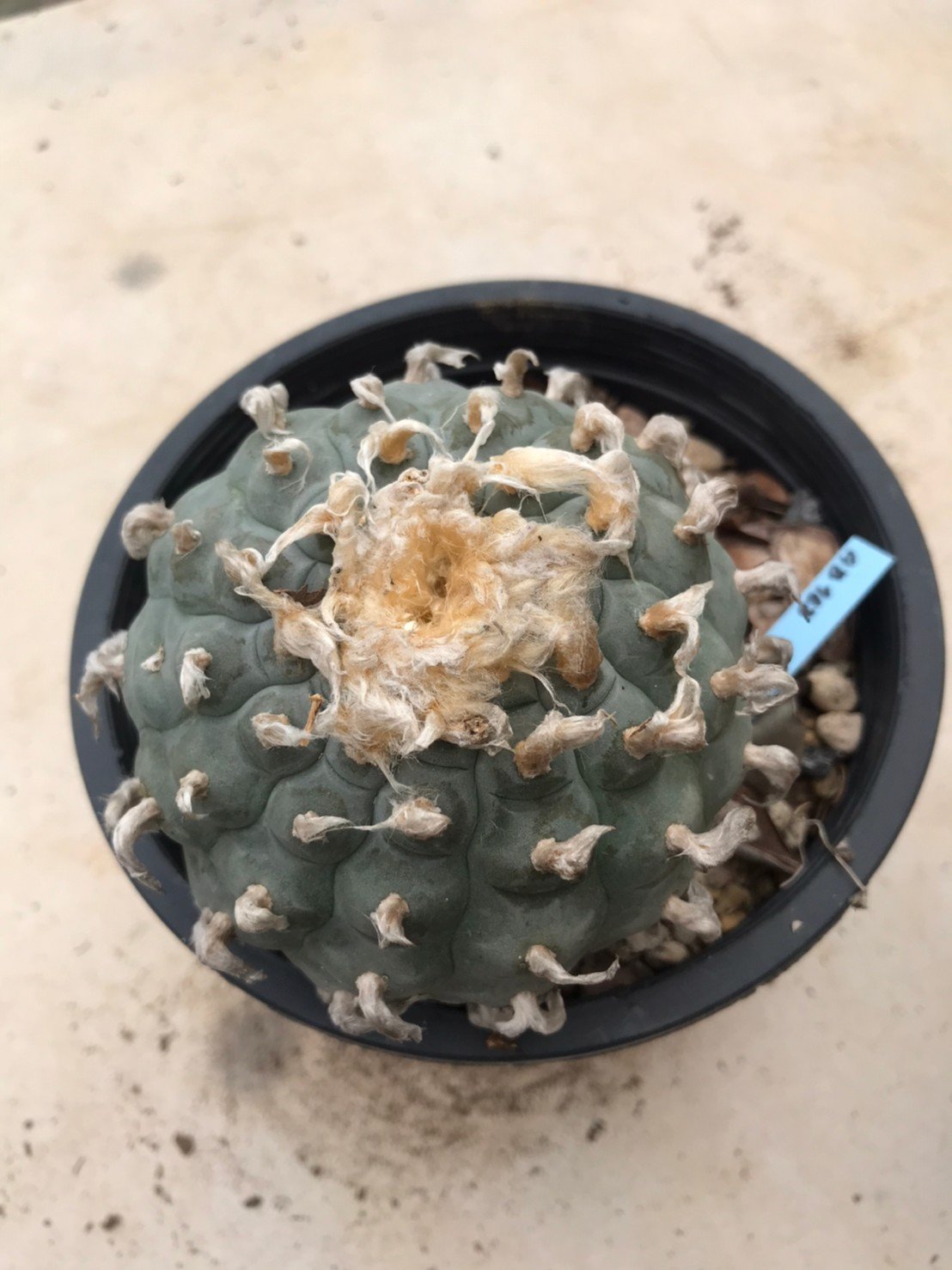
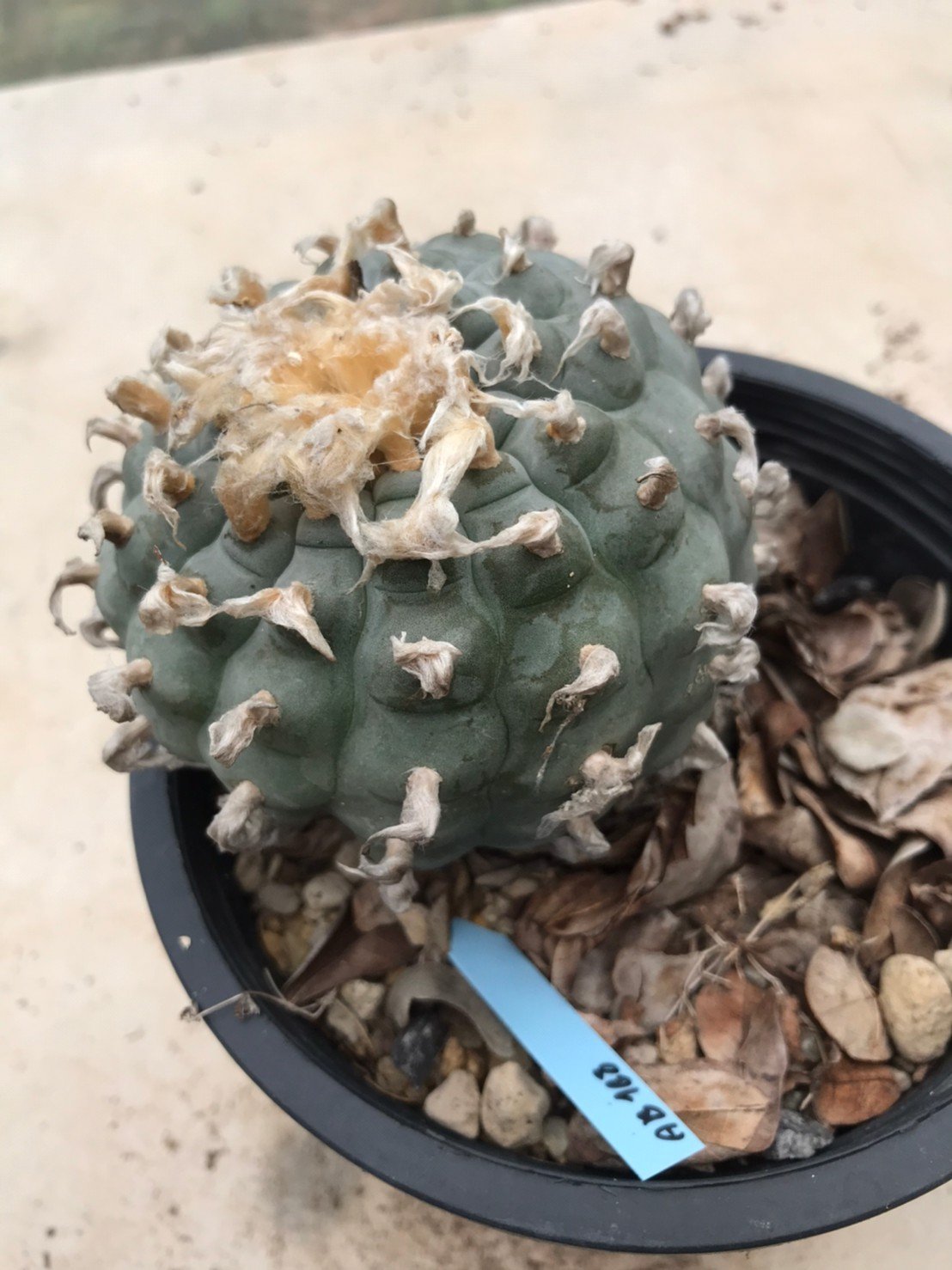
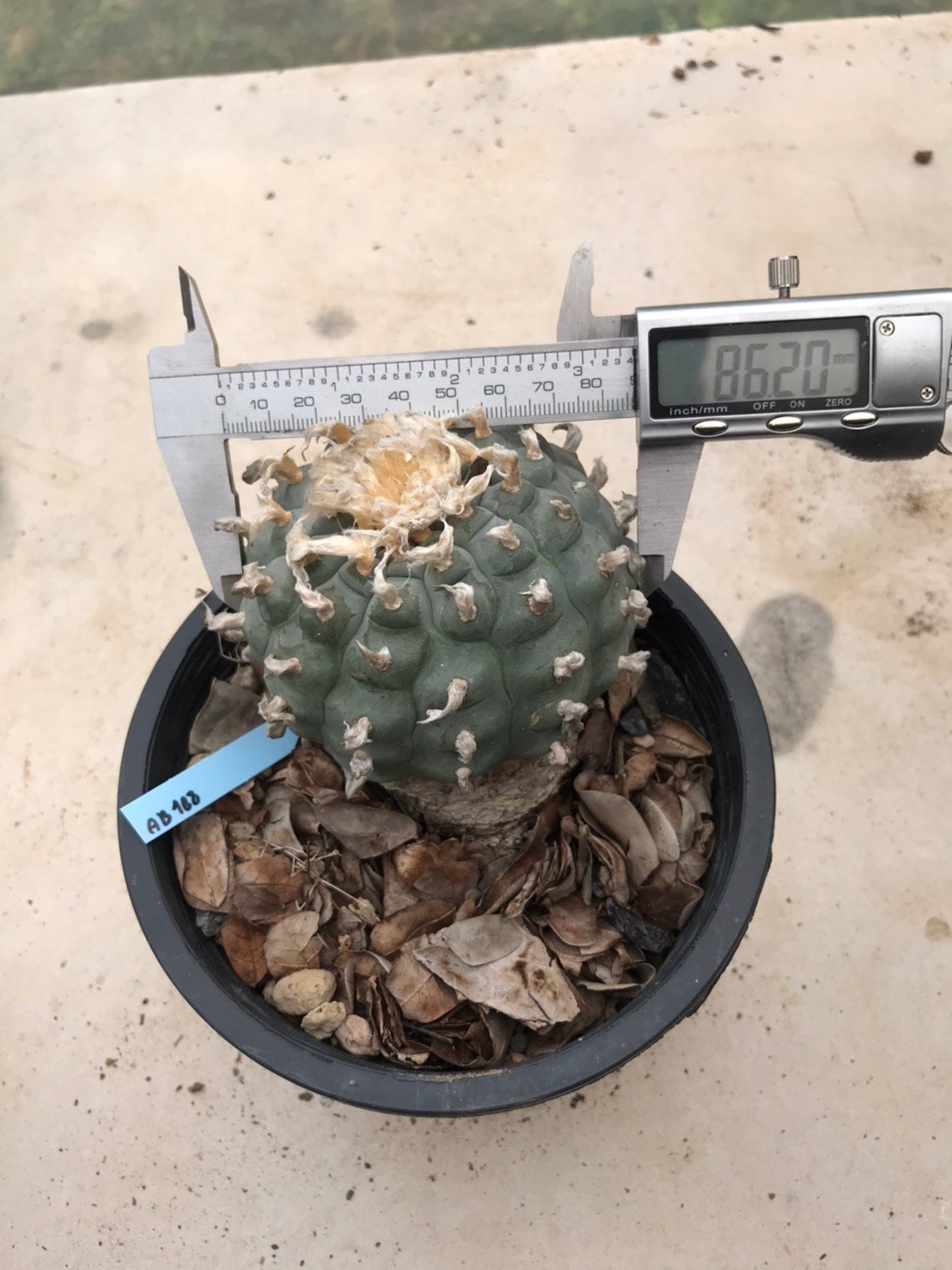
This 25-year-old Peyote cactus represents an extraordinary achievement of natural cultivation, a rare, seed-grown, own-root specimen that embodies decades of care, growth, and sacred energy. At full maturity, it blooms with its signature soft pink flowers and produces seeds capable of continuing its ancient lineage.
A Quarter Century of Growth and Natural Perfection
Unlike most common succulents, Peyote grows exceptionally slowly, requiring immense patience and dedication. From its early germination as a small, round seedling to its full maturity over a span of 25 years, this cactus tells a story of endurance and sacred balance with the desert environment.
This specimen has been grown authentically from seed, never grafted, ensuring a completely natural development process. Its own-root system gives it unmatched resilience and authenticity, reflecting the plant’s natural growth rhythm rather than artificial acceleration.
By reaching its flowering and seed-producing stage, this Peyote has entered a sacred phase of life that few cultivated plants ever attain. Each bloom, a delicate pink flower, symbolizes renewal, continuity, and spiritual awakening.
The Visual Beauty of a Mature Peyote
The mature Peyote cactus is a work of natural art. Its button-shaped body, smooth texture, and blue-green hue give it a serene, almost otherworldly presence. The ribs of the cactus form gentle patterns, while its crown occasionally bursts into soft pink blossoms, turning the plant into a living desert jewel.
At 25 years old, this specimen stands out for both its aesthetic beauty and botanical rarity. The flowering stage not only marks biological maturity but also signifies fertility and endurance, qualities deeply valued in both cultural and scientific contexts.
Lophophora williamsii – Scientific and Botanical Profile
Belonging to the Cactaceae family, Lophophora williamsii is native to the Chihuahuan Desert and parts of northern Mexico and southern Texas. Its thick, fleshy body is an evolutionary adaptation that allows it to store water and survive in extreme desert climates.
Key botanical traits include:
-
Genus: Lophophora
-
Species: williamsii
-
Growth Form: Button-like, spineless cactus
-
Root System: Deep taproot for water storage and stability
-
Lifespan: Often exceeds several decades under natural conditions
-
Flowers: Pale pink to white, blooming at maturity
-
Habitat: Arid, limestone-rich deserts
This adaptation makes Peyote a symbol of balance between fragility and endurance, a perfect reflection of the desert ecosystem’s beauty and resilience.
Cultural and Spiritual Heritage of Peyote
For thousands of years, Peyote has been considered sacred among the Huichol, Tarahumara, and other Native American tribes, where it has played a central role in rituals, prayer ceremonies, and healing practices.
Its name originates from the Aztec word “peyōtl,” meaning “caterpillar cocoon,” a poetic nod to its round shape and its association with spiritual transformation. For indigenous cultures, Peyote is not just a plant; it is a messenger between worlds, a symbol of enlightenment, introspection, and connection to the divine.
The Native American Church continues to honor Peyote as a sacrament, using it ceremonially to foster community unity, spiritual growth, and emotional healing. Through centuries of colonial disruption and cultural suppression, the sacred traditions surrounding Peyote have endured, a testament to its profound significance.
Why a 25-Year-Old Peyote Cactus is Exceptionally Rare
Peyote’s slow growth makes mature, flowering specimens extraordinarily scarce. While many online Peyote cactus listings feature young seedlings just a few years old, true seed-grown Peyotes of 20+ years are treasures of time and care.
This 25-year-old cactus carries the hallmarks of authentic rarity:
-
Seed-Grown Authenticity: Developed naturally from seed, never grafted.
-
Own-Root System: Ensures strength, resilience, and authenticity.
-
Flowering and Seed-Producing: Sign of maturity and vitality.
-
Natural Beauty: A perfect example of form, symmetry, and endurance.
-
Collector’s Heritage: Cacti of this age are almost never available for private ownership.
Owning such a specimen is not just a botanical privilege, it is an act of preserving a sacred lineage, a living chapter of natural and cultural history.
Peyote in Modern Ethnobotany and Conservation
Modern ethnobotanists and conservationists recognize Lophophora williamsii as a key species in the study of indigenous plant knowledge, medicinal traditions, and ecological adaptation.
Because of habitat loss and unsustainable harvesting in the wild, Peyote is now protected under CITES Appendix II. Cultivating it ethically and responsibly is a vital contribution to preserving both biodiversity and cultural heritage.
Owning a seed-grown, legally cultivated Peyote cactus helps reduce pressure on wild populations and promotes awareness of sustainable practices within the cactus community.
Symbolism and Meaning of the Sacred Peyote
In art, mythology, and spirituality, Peyote symbolizes enlightenment, renewal, and unity. Its symmetrical form and radiant blossoms are often associated with balance between earth and spirit, body and soul.
For many, simply observing the Peyote plant evokes a sense of calm and reverence. Its slow, steady growth reminds us of the value of patience, endurance, and connection to nature’s cycles.
The flower of Peyote, often blooming after rainfall, represents hope, purity, and rebirth, qualities mirrored in the plant’s deep spiritual legacy.
Caring for a Peyote Cactus (Educational Overview)
Although not commonly cultivated outside research or botanical collections, Peyote care provides valuable lessons in desert plant ecology. Proper cultivation conditions can ensure longevity and continued flowering.
Basic care principles include:
-
Light: Prefers bright, indirect sunlight with protection from extreme heat.
-
Soil: Use mineral-rich, well-draining cactus soil with added limestone grit.
-
Watering: Minimal — allow full drying between waterings. Overwatering can harm roots.
-
Temperature: Thrives in warm, arid environments with mild nighttime cooling.
-
Container: Choose deep pots to accommodate the long taproot.
Patience is essential, Peyote’s growth is measured not in months, but in years and decades.
Product Overview – Educational and Botanical Highlights
| Attribute | Description |
|---|---|
| Species | Lophophora williamsii (Peyote) |
| Age | 25 years |
| Growth Type | Seed-grown, own-root |
| Stage | Mature, flowering, seed-producing |
| Habitat Origin | Chihuahuan Desert |
| Rarity | Extremely rare, collector-grade specimen |
| Use | Botanical education, cultural preservation, display specimen |
| Value | Historical, spiritual, and ecological significance |
Ethical Importance – Preserving Cultural and Botanical Legacy
True appreciation of Peyote goes beyond its physical appearance, it involves respecting its spiritual origins and protecting its ecological future.
Educational cultivation and documentation play key roles in ensuring that this sacred plant remains available for future generations of researchers, collectors, and cultural practitioners.
Ethical ownership means understanding Peyote not as a commodity, but as a living ambassador of ancient wisdom and desert biodiversity.
Final Thoughts – A Living Symbol of Patience and Sacred Power
The 25-year-old Peyote cactus (Lophophora williamsii) is not merely a plant; it is a living chronicle of spiritual tradition, ecological resilience, and natural artistry.
Every wrinkle, rib, and blossom on this cactus tells a story, of survival, reverence, and the timeless bond between humans and the sacred earth. Whether admired for its botanical grace, spiritual symbolism, or cultural significance, this Peyote stands as one of the rarest and most meaningful plants one could ever encounter.
To nurture such a cactus is to become a guardian of a sacred legacy, a keeper of a plant that continues to inspire awe, wisdom, and respect across generations.
FAQ
What makes a 25-year-old Peyote cactus rare?
A: Its extremely slow growth rate. Most Peyote cacti take decades to reach flowering maturity. A 25-year-old seed-grown Peyote is a true collector’s treasure.
Is Peyote endangered or protected?
A: Yes. Wild Peyote is protected under CITES Appendix II, and conservation laws regulate its collection and trade. Ethical cultivation supports sustainability.
How long does Peyote live?
A: Under proper care, Peyote can live well beyond 50 years, continually flowering and regenerating new tissue.
Why is Peyote considered sacred?
A: Indigenous peoples of Mexico and North America view Peyote as a divine plant used in spiritual and healing ceremonies for thousands of years.
Can Peyote be grown ethically?
A: Yes. Ethically cultivated, seed-grown Peyote supports conservation and cultural preservation without harming wild populations.


