
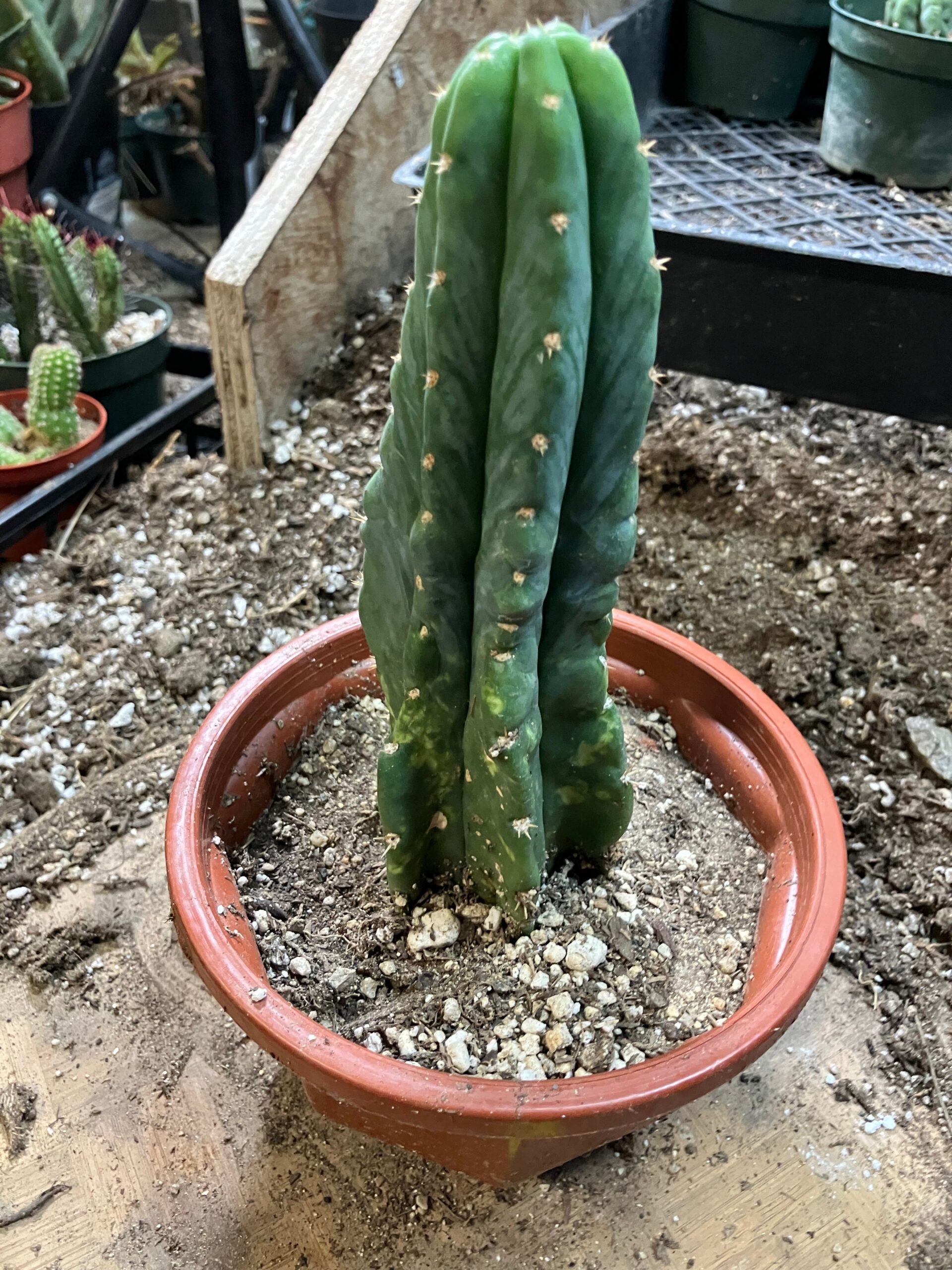
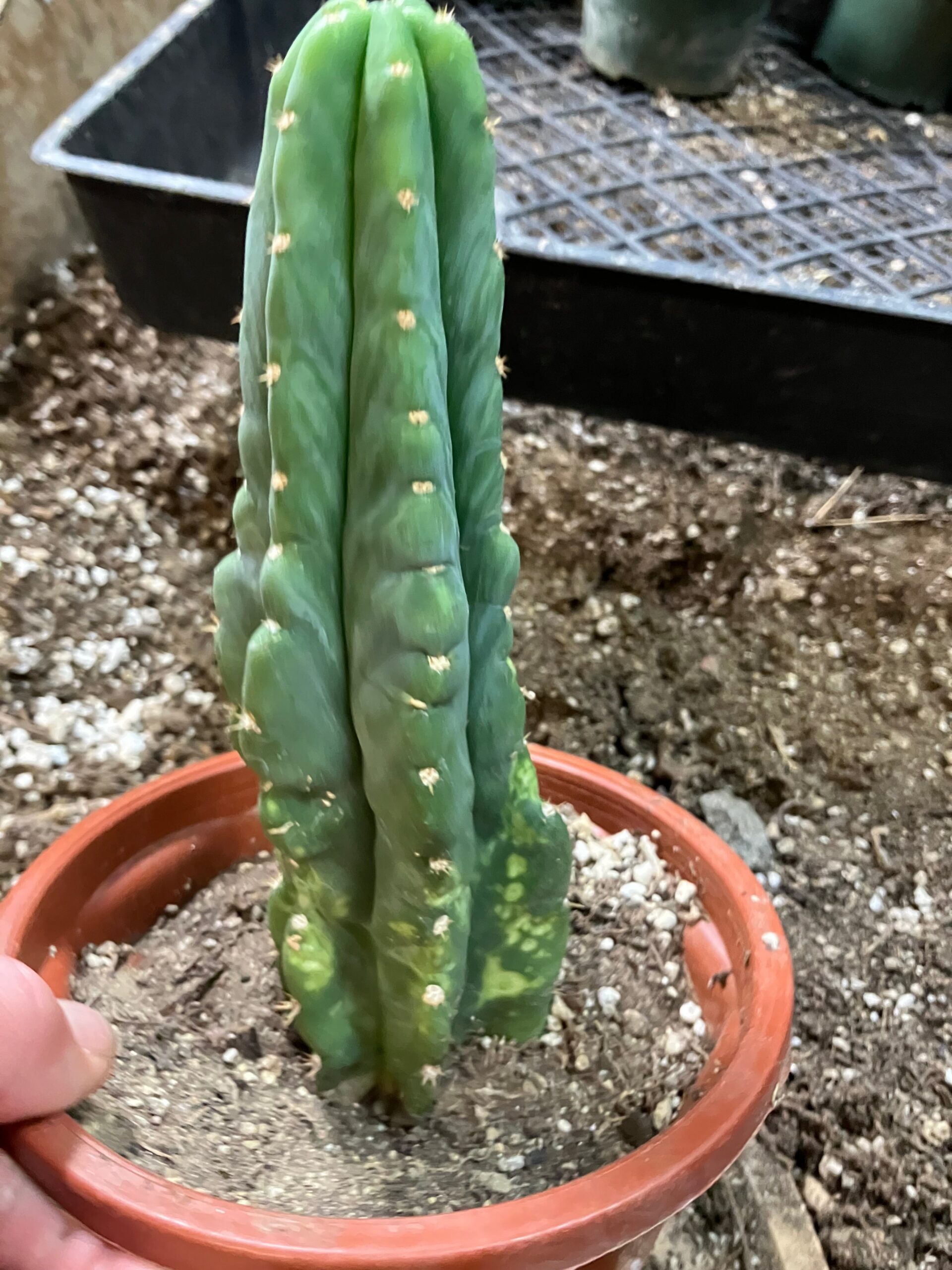
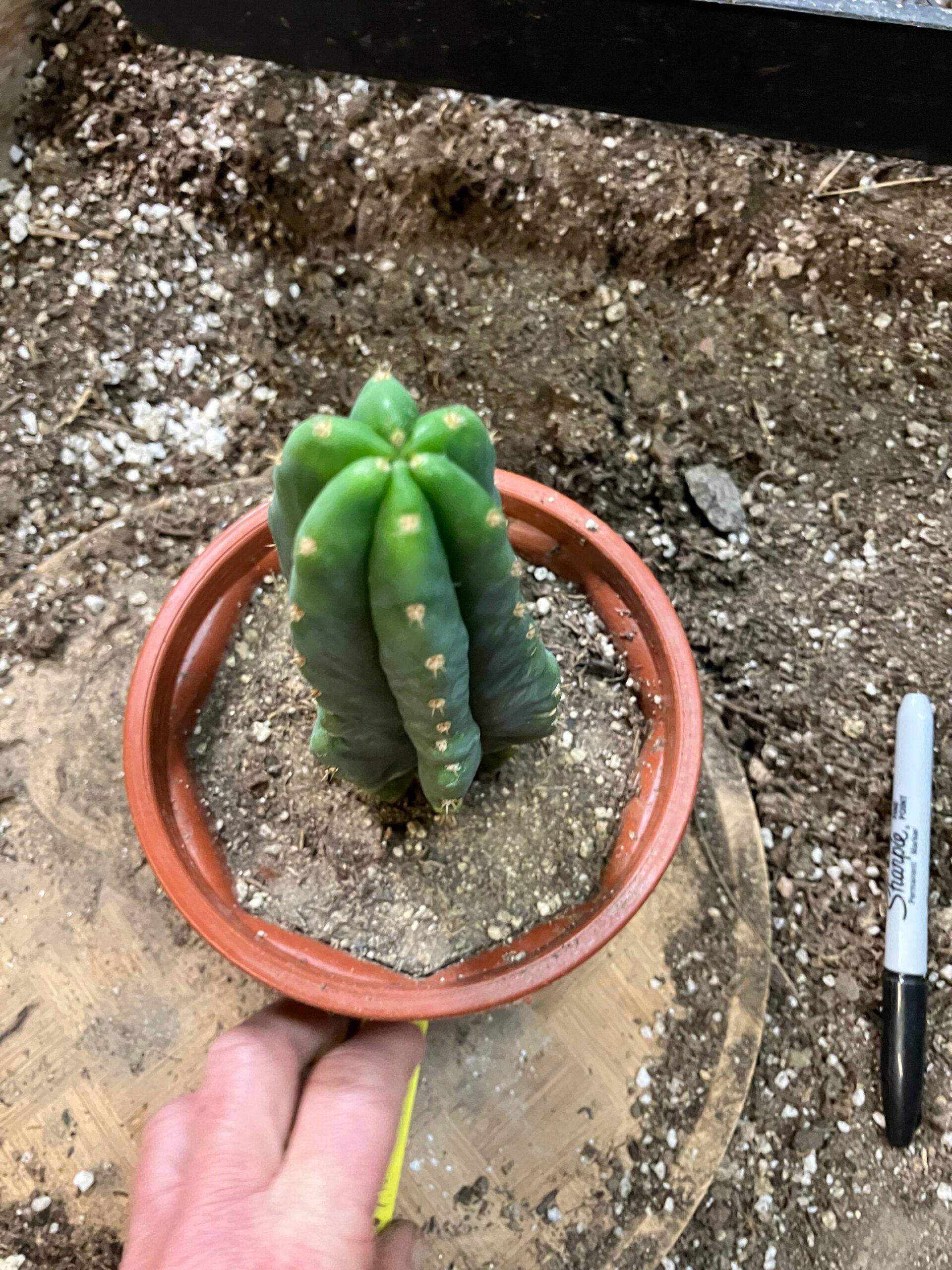
Description
San Pedro Cactus – Trichocereus pachanoi
The San Pedro Cactus (Trichocereus pachanoi) is one of the most powerful and well-known psychedelic plants in the world. This sacred cactus contains the naturally occurring hallucinogenic compound mescaline, which is responsible for its visionary and transformative effects. For thousands of years, Indigenous cultures in the Andes have valued San Pedro not only as a healing plant but also as a spiritual guide, using it in rituals and ceremonies to promote self-discovery, clarity, and connection to higher realms.
Ancient Origins and History
Long before modern interest in entheogens, the San Pedro cactus was revered by Indigenous peoples of Peru and Ecuador. Traditionally known as Achuma or Huachuma, the cactus was used by shamans and healers to treat ailments, cleanse negative energies, and induce visionary states.
When the Spanish colonizers arrived, they renamed the cactus “San Pedro,” or Saint Peter, symbolizing the biblical figure who held the keys to heaven. For them, the plant was considered sacred, a doorway to spiritual knowledge and divine experiences.
The cactus grows naturally in the highlands of South America, typically flourishing at altitudes between 2,000 and 3,000 meters, where the climate is ideal for its strong and resilient growth. Today, it is cultivated and appreciated worldwide as both a sacred cactus and a remarkable botanical specimen.
Psychoactive Qualities – Mescaline in San Pedro
San Pedro Cactus is famous as a mescaline cactus. Mescaline is a powerful psychoactive alkaloid that has been used by humans for thousands of years, making it one of the oldest known psychedelic substances on Earth. Unlike synthetic drugs, mescaline from San Pedro is a natural entheogen, used in spiritual and healing traditions to expand consciousness and promote inner growth.
The effects of San Pedro mescaline are profound and often transformative. Many users describe it not as a recreational drug but as a teacher plant—a natural medicine that provides wisdom, healing, and self-understanding.
Why a 7-Foot San Pedro Is Exceptional
While smaller San Pedro plants are more common, a 7-foot cactus is a rare acquisition due to the many years it takes to reach this height. Such a specimen demonstrates not only the cactus’s resilience and vitality but also the patience of its grower.
Key Qualities:
-
Mature Growth – At 7 feet, this cactus has already reached impressive size.
-
Fast Growing – Unlike Peyote, San Pedro continues to expand steadily each year.
-
Ornamental Impact – Perfect as a focal point in large gardens or collections.
-
Sacred Heritage – A living piece of Andean tradition and spiritual history.
-
Ethically Cultivated – Sustainably grown, never taken from the wild.
Owning such a plant is like holding a piece of living history—a cactus that has stood the test of time while maintaining its beauty and sacred importance.
Reported Effects of San Pedro (Trichocereus pachanoi)
The experience with San Pedro Cactus varies, but users often report powerful psychological, sensory, and spiritual effects. These may include:
-
Altered perception of reality – The world appears brighter, more colorful, and alive.
-
Enhanced visual experiences – Objects may distort, glow, or emit light.
-
Distortion of time and space – Time may feel slower, faster, or completely suspended.
-
Heightened sensory perception – Sounds, textures, and images blend together (synesthesia).
-
Emotional sensitivity – Deeper connection to personal feelings and those of others.
-
Spiritual and mystical insights – A sense of unity, transcendence, and connection to the divine.
-
Self-reflection and life lessons – Mescaline often acts as a mirror, revealing hidden truths or unresolved issues.
-
Healing potential – Many report releasing trauma, gaining clarity, and addressing deep-seated challenges.
Because of these effects, San Pedro is considered a sacred medicine rather than a recreational hallucinogen. Its purpose is often seen as teaching, healing, and guiding.
Spiritual and Healing Importance
For Indigenous shamans, San Pedro is a plant ally, a bridge between the human and spiritual worlds. In ceremonies, it is used to bring harmony, restore balance, and guide participants through visions of personal and universal truth. Many believe that the cactus helps open the heart, encouraging compassion, forgiveness, and deeper wisdom.
This is why San Pedro remains one of the most important sacred plants in Andean culture and has now spread globally as a symbol of spiritual exploration, healing, and enlightenment.
Why Collect San Pedro Cactus?
Beyond its psychoactive significance, San Pedro is also admired as a fast-growing and resilient cactus. Unlike the small and slow-growing Peyote, San Pedro Cactus quickly reaches impressive heights, making it popular among cactus collectors, gardeners, and enthusiasts of sacred plants. Its smooth columnar body and vibrant green color make it an attractive addition to any cactus collection.
For those passionate about ethnobotany, entheogenic plants, and spiritual traditions, San Pedro offers a unique combination of cultural history, psychoactive power, and botanical beauty.
Conclusion – The Sacred Power of San Pedro
The San Pedro cactus (Trichocereus pachanoi) is far more than just a plant. It is a living link to ancient cultures, a source of profound psychedelic experiences, and a sacred teacher for those who approach it with respect. Whether admired as a collector’s cactus, a spiritual ally, or a natural hallucinogen, San Pedro continues to be one of the most extraordinary and meaningful plants in the world.

![San Pedro [trichocereus pachanoi] seedling](https://mr-cactuspeyote.us/wp-content/uploads/2025/10/IMG_6132-300x244.png)
