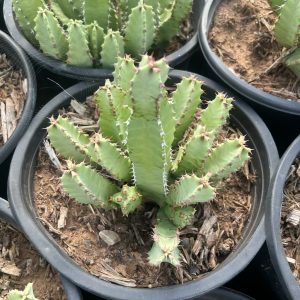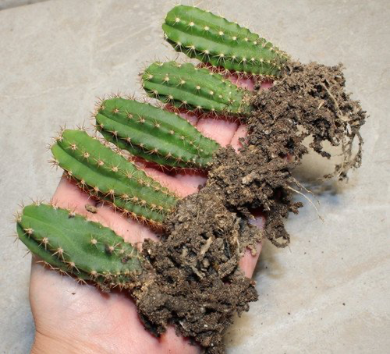
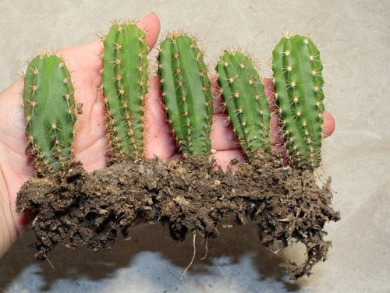
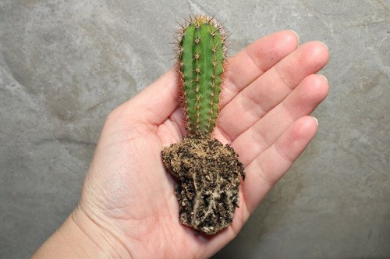
Description
San Pedro Cactus (Trichocereus pachanoi): History, Spiritual Meaning, and Growing Guide for Collectors
Meta Description
Discover the sacred San Pedro cactus (Trichocereus pachanoi), a fast-growing, spiritually revered Andean cactus. Learn its ancient history, symbolism, and how to grow your own from seedlings at home.
Introduction: The Sacred Pillar of the Andes
The San Pedro cactus (Trichocereus pachanoi) stands among the most iconic and spiritually significant plants in the world of ethnobotany. Native to the highlands of Peru, Ecuador, and Bolivia, this majestic, columnar cactus has been cultivated and revered for over 3,000 years by Indigenous peoples of the Andes.
Known locally as Achuma or Huachuma, San Pedro has been used in sacred rituals, healing ceremonies, and visionary practices that connect the physical and spiritual realms. Its striking beauty, rapid growth, and deep cultural symbolism have earned it admiration among botanists, collectors, and spiritual practitioners alike.
This educational guide explores the San Pedro cactus in depth, from its botanical features and spiritual heritage to its modern cultivation and care. Whether you are growing from seed, studying its history, or simply appreciating its living presence, Trichocereus pachanoi offers a profound journey of connection and growth.
What Is Trichocereus Pachanoi (San Pedro Cactus)?
The San Pedro cactus, scientifically known as Trichocereus pachanoi (syn. Echinopsis pachanoi), is a columnar cactus species native to the Andean mountain ranges. It thrives at elevations between 2,000–3,000 meters, where it endures harsh sunlight, cold nights, and sparse rainfall, yet grows tall and strong, symbolizing endurance and adaptability.
Botanical Overview
-
Scientific Name: Trichocereus pachanoi
-
Common Names: San Pedro, Achuma, Huachuma
-
Family: Cactaceae
-
Origin: Andes Mountains (Peru, Ecuador, Bolivia)
-
Growth Form: Upright, columnar cactus with multiple ribs (6–8 typically)
-
Height: Can reach 15–20 feet (4–6 meters) in maturity
-
Growth Rate: Very fast — up to 12 inches per year in ideal conditions
-
Flowers: Large, fragrant, white, and nocturnal — blooming at night in summer
The cactus’s smooth, emerald-green stems, with their subtle spines and symmetrical ribs, make Trichocereus pachanoi a favorite in both sacred gardens and modern ornamental collections.
The Cultural and Spiritual Heritage of San Pedro
Origins and Ancestral Use
San Pedro has been revered for millennia by Andean cultures such as the Chavín, Moche, and Nazca civilizations. Archaeological evidence, including stone carvings and ceremonial vessels, shows depictions of San Pedro dating back more than 2,000 years.
For Indigenous shamans, or curanderos, the cactus served as a sacred plant teacher — a bridge between the human spirit and the divine cosmos. It was traditionally consumed in ritual contexts to invoke visions, guidance, and healing.
These ceremonies, often held in the highlands under the stars, represented deep communion with nature, ancestors, and spiritual forces. The cactus’s towering, pillar-like form mirrored the axis mundi — the “world tree” that connects heaven, earth, and the underworld in Andean cosmology.
The Name “San Pedro” — The Key to Heaven
After Spanish colonization, the Indigenous name Huachuma was replaced with “San Pedro,” referring to Saint Peter, the Christian apostle said to hold the keys to heaven. The name reflects the cactus’s enduring reputation as a key to higher consciousness, opening doors of perception and spiritual awareness.
Even today, many view San Pedro as a symbol of awakening, compassion, and universal love, representing humanity’s search for meaning and connection.
The Beauty and Symbolism of San Pedro
Beyond its ritual legacy, San Pedro’s visual elegance and architectural presence make it one of the most admired cacti worldwide. Its tall, smooth columns seem to reach toward the heavens, while its large, night-blooming white flowers symbolize illumination, purity, and divine awakening.
Symbolically, San Pedro represents:
-
Growth and strength – a reflection of perseverance through time and hardship.
-
Connection and harmony – bridging the material and spiritual realms.
-
Healing and transformation – the ability to cleanse, renew, and align energy.
In modern botanical collections, San Pedro continues to inspire not only gardeners but also artists, philosophers, and naturalists who see in its form the geometry of life itself.
Why Grow San Pedro From Seedlings?
Cultivating San Pedro from seedlings offers a deeply rewarding and educational experience. While mature cuttings are often available, starting from seed allows you to witness the cactus’s full life cycle, from tiny germination to towering maturity.
Advantages of Growing San Pedro Seedlings
-
Natural root systems – Seed-grown cacti develop authentic, self-sustaining roots.
-
Stronger adaptation – Seedlings acclimate better to your soil and climate.
-
Ethical and sustainable – Propagated without harming wild populations.
-
Affordable diversity – A 5-seedling pack allows experimentation and sharing.
-
Spiritual connection – Nurturing growth from seed fosters patience and mindfulness.
Each Trichocereus pachanoi seedling carries within it a lineage of thousands of years, a continuation of the Andean tradition of respect, cultivation, and spiritual harmony.
Appearance and Growth Characteristics
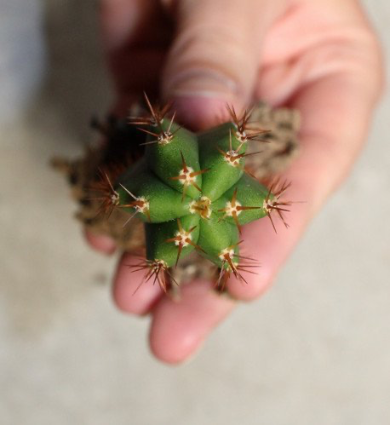
San Pedro seedlings begin life as tiny, bright-green sprouts, cylindrical in shape with faint ridges that gradually form defined ribs as they mature. Over the years, they develop into strong, multi-columned cacti, often branching at the base.
Key Features
-
Color: Emerald to olive-green, sometimes with bluish undertones.
-
Ribs: Typically 6–8 ribs per column.
-
Spines: Small and golden-brown, arranged neatly along the areoles.
-
Flowers: Large, white, and fragrant, blooming at night.
Under the right conditions, San Pedro can grow 30 cm (12 in) per year, making it one of the fastest-growing sacred cacti, ideal for both indoor and outdoor cultivation.
How to Care for San Pedro Cactus Seedlings
Growing San Pedro is simple and rewarding when you understand its basic needs. This species thrives on light, warmth, and good drainage, mimicking its natural Andean environment.
Soil Requirements
Use a well-draining cactus mix with added pumice, perlite, or coarse sand. Avoid rich, moisture-retaining soil.
Watering
Water deeply but infrequently. Allow the soil to dry completely between watering sessions. Overwatering is the most common cause of root rot.
Light Exposure
Provide 6–8 hours of bright, indirect sunlight daily. Seedlings prefer softer light at first; gradually introduce them to stronger sun as they mature.
Temperature
Ideal range: 20°C–30°C (68°F–86°F). Protect from frost, as San Pedro is sensitive to freezing temperatures.
Fertilization
During active growth (spring and summer), feed with a diluted cactus fertilizer once a month. Pause feeding during the dormant winter period.
Potting and Transplanting
Use pots with drainage holes and avoid over-potting. Repot every few years as the root system expands.
With patience and consistency, your seedlings will develop into majestic, columnar cacti that can live for decades, even centuries.
The Spiritual Experience of Growing San Pedro
Cultivating San Pedro from seed is more than a horticultural pursuit; it’s a journey of personal growth and reflection. The slow rhythm of its development encourages mindfulness, patience, and reverence for natural processes.
Many growers describe tending San Pedro as a spiritual practice in itself, a way to reconnect with the Earth and to care for a living being that has long been associated with wisdom, healing, and balance.
Even without ritual use, simply growing San Pedro in your garden or home can foster peace, harmony, and appreciation for nature’s intelligence.
San Pedro Cactus in Modern Horticulture
In contemporary horticulture, Trichocereus pachanoi is admired for its resilience, architectural beauty, and adaptability. It is frequently used as:
-
A focal point in cactus and succulent gardens.
-
A rootstock for grafting rare species.
-
A conservation specimen in botanical collections.
Its rapid growth and striking form make it perfect for greenhouses, outdoor gardens, and even minimalist interior design, symbolizing both vitality and serenity.
Conservation and Ethical Growing
As interest in sacred cacti increases, it’s crucial to prioritize ethical cultivation. Wild populations of Trichocereus pachanoi are at risk from habitat loss and overharvesting.
By growing seed-propagated San Pedro seedlings, collectors help preserve biodiversity and support sustainable horticulture. Ethical growers ensure that their propagation contributes to education, conservation, and respect for cultural origins.
Why Choose a 5-Seedling Pack of San Pedro Cactus
A 5-pack of Trichocereus pachanoi seedlings provides flexibility, diversity, and value:
-
Grow a sacred cactus garden — cultivate a cluster for visual and energetic harmony.
-
Gift seedlings to friends or family — sharing sacred plants fosters connection.
-
Experiment with care methods — test different soils, lighting, or fertilizers.
-
Ensure long-term success — multiple plants mean a higher chance of thriving specimens.
Each seedling in the pack is a promise of life, resilience, and sacred heritage — an invitation to participate in one of humanity’s oldest relationships with the plant kingdom.
Flowering and Maturity
In maturity, Trichocereus pachanoi produces large, white, trumpet-shaped flowers that bloom at night and fill the air with a sweet fragrance. These blossoms represent purity and enlightenment, marking a major milestone in the cactus’s growth journey.
Flowering typically occurs when plants reach 4–5 feet tall and are several years old. Once mature, the San Pedro cactus may bloom multiple times per year, depending on climate and care.
The Symbolic and Botanical Legacy of San Pedro
Through its towering form and luminous flowers, San Pedro embodies the union of earth and sky, matter and spirit. It teaches resilience, generosity, and the interconnectedness of all living beings.
For collectors and students of ethnobotany, cultivating San Pedro offers a living connection to ancient wisdom, sacred ecology, and sustainable cultivation. It is a reminder that beauty and spirituality can coexist in the simplest living forms.
Conclusion: Cultivating Sacred Growth
The San Pedro cactus (Trichocereus pachanoi) is more than an ornamental plant, it is a living symbol of strength, spirit, and renewal. From the highlands of the Andes to modern gardens around the world, it continues to inspire awe, reflection, and reverence.
Growing San Pedro seedlings from seed allows you to become part of a millennia-old lineage of caretakers, healers, and visionaries who recognized this cactus as a bridge between worlds.
Whether you are a collector, gardener, or student of plant spirituality, San Pedro invites you to slow down, nurture patiently, and grow in harmony with nature itself.