
Description
Lophophora williamsii – 31 Years of Sacred Growth, Botanical Rarity, and Cultural Significance
Lophophora williamsii, commonly known as the Peyote cactus, stands among the most sacred and scientifically fascinating plants in the world. Revered for millennia across indigenous cultures of North and Central America, this extraordinary species represents a living link between botany, spirituality, and human history.
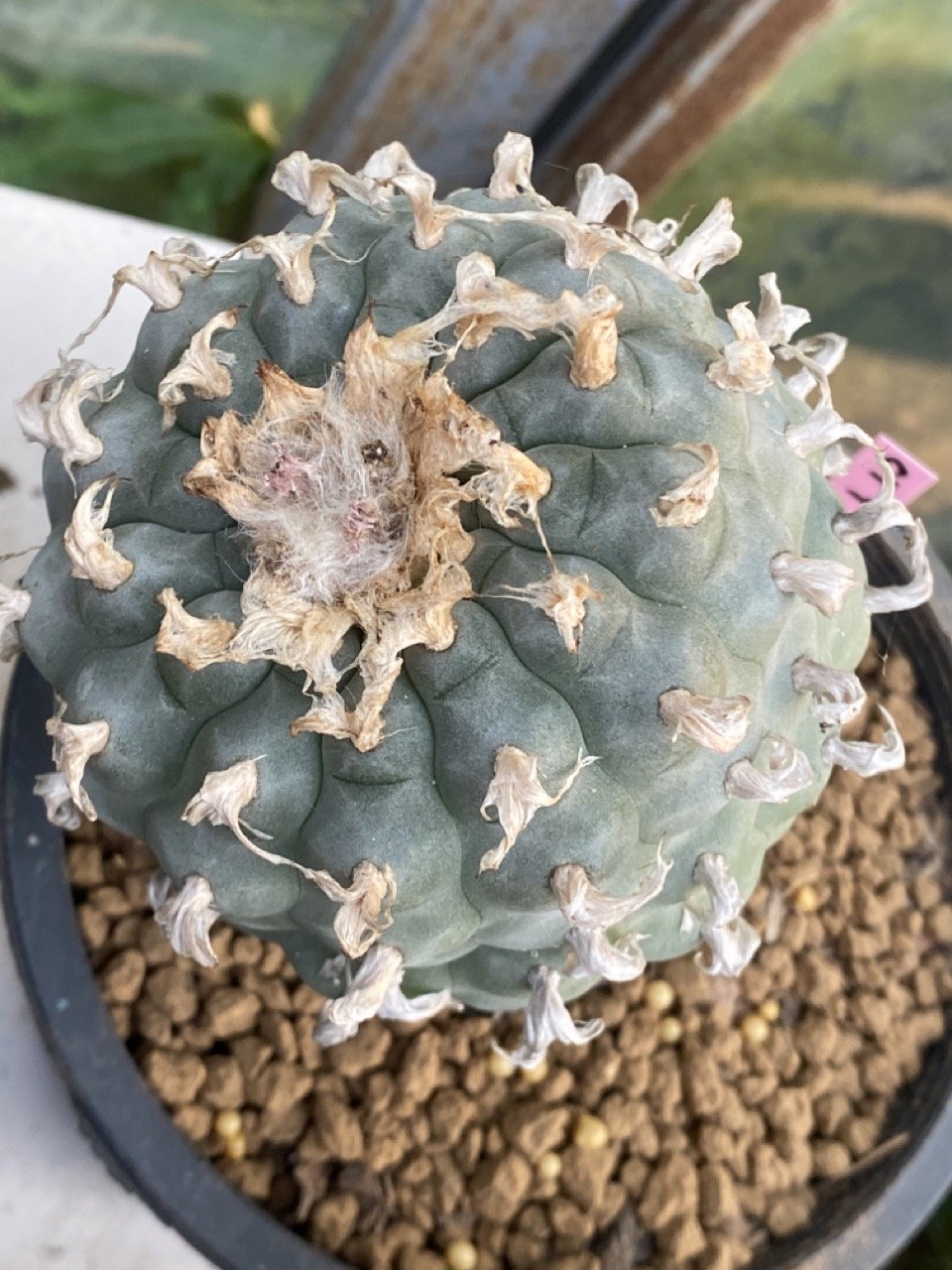
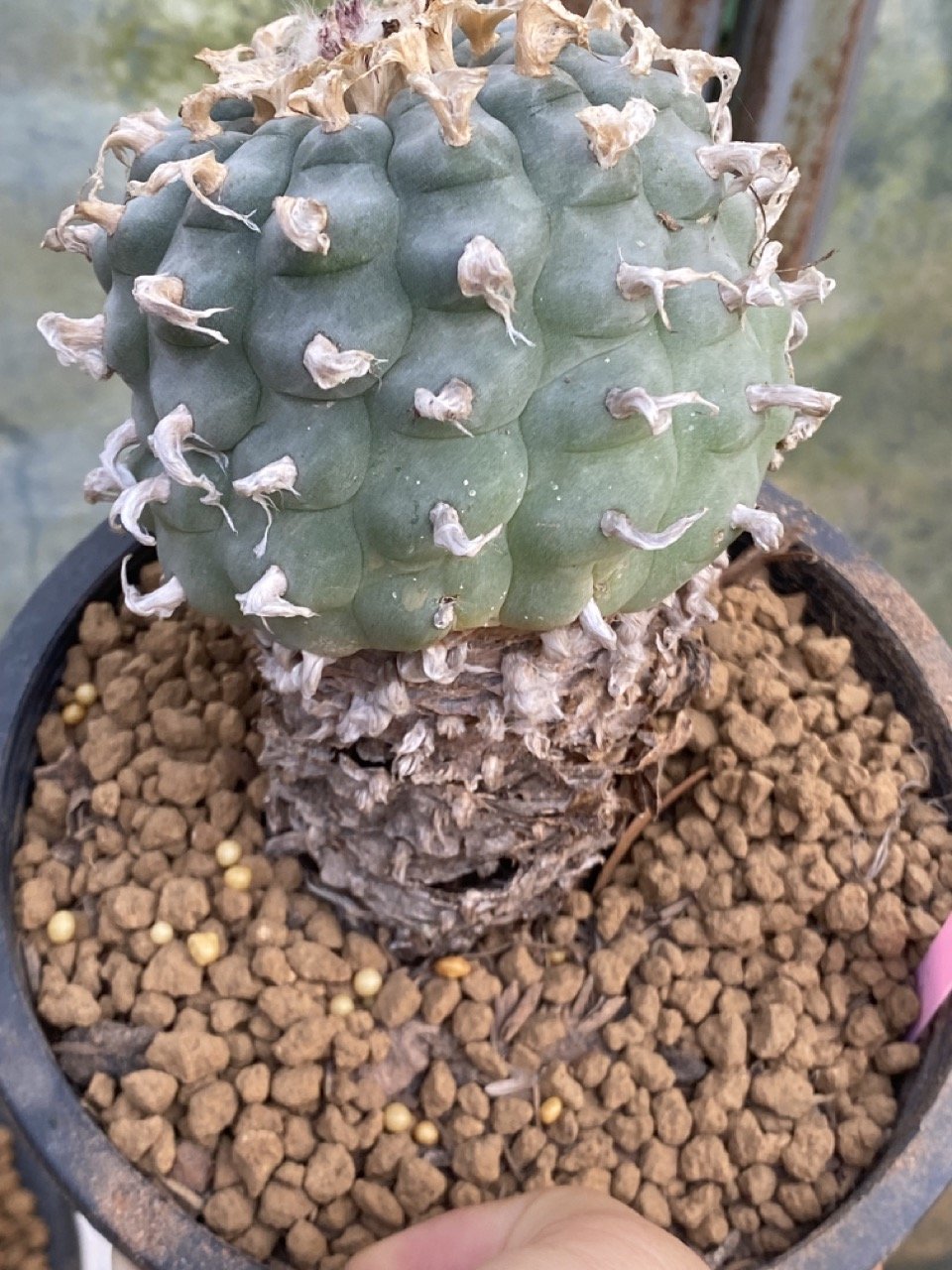
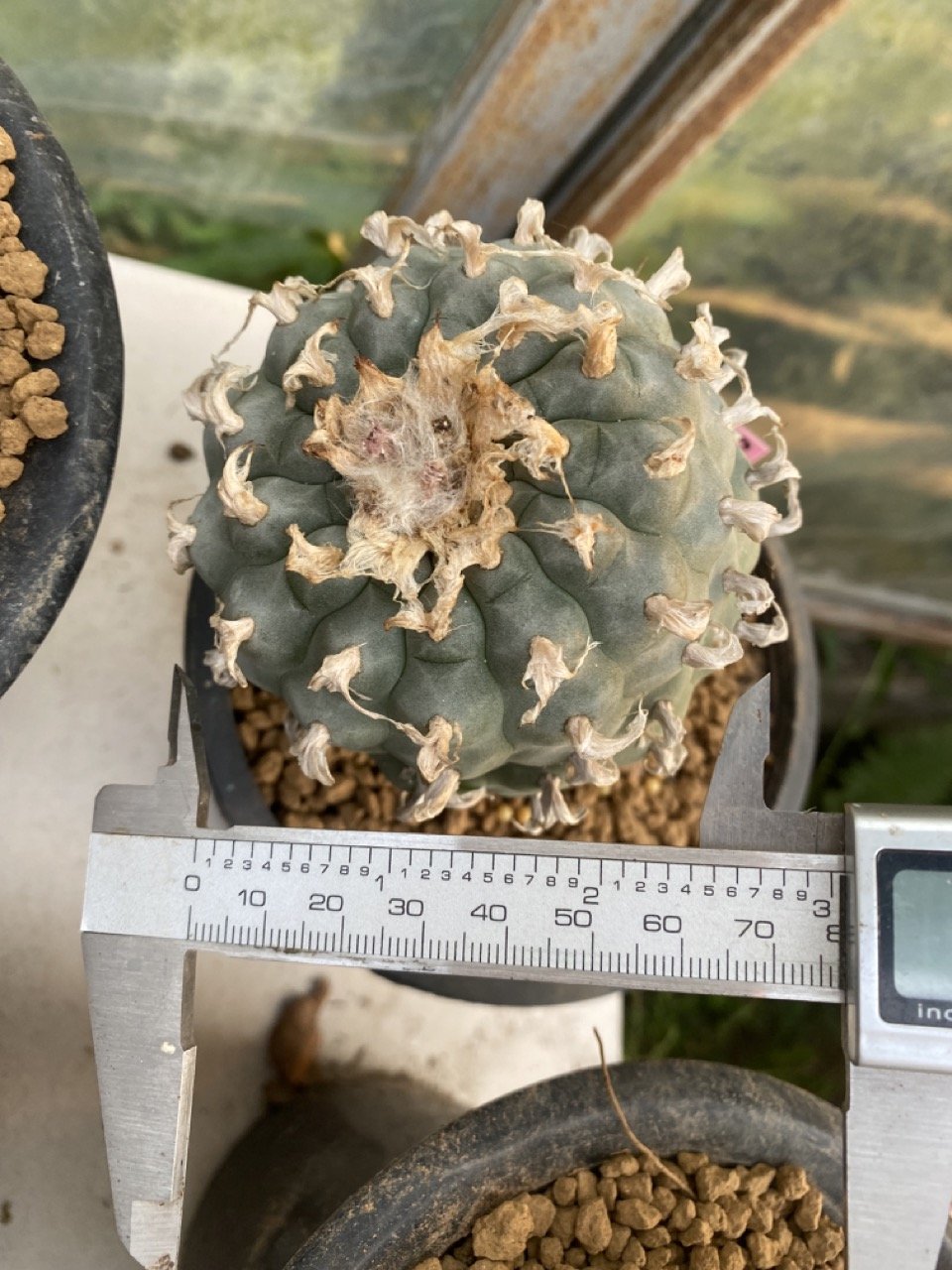
This particular specimen, a 31-year-old Peyote cactus, embodies not only the slow artistry of nature but also the resilience and spiritual symbolism carried through generations. Naturally seed-grown, ungrafted, and rooted in its own strength, it measures 9–10 cm in diameter, displaying the distinct bluish-green hue, ribbed symmetry, and soft velvety texture that make Peyote so visually captivating.
Today, Lophophora williamsii is studied, celebrated, and protected as a cornerstone of cultural heritage and botanical preservation, admired for its slow growth, aesthetic form, and deep ethnobotanical history.
A Botanical Jewel of Time – 31 Years of Natural Growth
Few plants reflect patience like Peyote. Unlike faster-growing succulents, the Peyote cactus matures slowly over decades, expanding millimeter by millimeter each year. This 31-year-old cactus is a botanical masterpiece, the result of over three decades of nurturing under natural conditions.
Each stage of its growth marks a silent story of endurance. From a tiny seed germinating in dry desert soil to a mature cactus with flowering capabilities, Peyote’s journey is an expression of adaptation, sacred energy, and ecological balance.
Its own-root system, rather than being grafted onto faster-growing stock, ensures authenticity. This natural growth gives the cactus its true strength, longevity, and ability to produce its own flowers and seeds — a rare achievement that marks it as a living legacy of botanical purity.
The Beauty of a Mature Peyote Cactus
Visually, this Peyote is stunning. Its button-shaped body, delicate ribs, and smooth, bluish-green surface form an almost geometric perfection that has fascinated botanists and spiritualists alike. When mature, Lophophora williamsii produces soft pink to white flowers, symbols of rebirth and spiritual illumination.
The 9–10 cm diameter of this specimen places it among the most impressive naturally grown Peyotes in cultivation. For collectors and researchers, its flowering stage and ability to generate seeds represent a chance to continue the lineage of one of nature’s most iconic desert plants.
Lophophora williamsii – Scientific and Botanical Insight
Belonging to the Cactaceae family, the Peyote cactus thrives in the Chihuahuan Desert of Mexico and southwestern Texas. Its thick, water-storing tissues make it perfectly adapted to arid climates. Peyote’s slow metabolism and deep taproot allow it to survive harsh desert conditions, embodying the power of endurance and balance within fragile ecosystems.
Botanists regard Peyote as a keystone species within the study of ethnobotany, connecting traditional plant knowledge, chemistry, and anthropology. Each mature cactus like this 31-year-old specimen becomes a valuable living archive, reflecting centuries of ecological and cultural co-evolution.
Cultural and Spiritual Importance Through History
Long before modern science documented its properties, Peyote held deep spiritual significance among Native American tribes such as the Huichol, Tarahumara, and members of the Native American Church.
To these cultures, Lophophora williamsii was, and remains, a sacred plant, often called “the divine messenger.” It has been used in ceremonial contexts to promote healing, harmony, and introspection. These rituals were not centered around recreation but rather spiritual communion and guidance.
Today, this sacred use continues legally within certain indigenous religious contexts, protected by cultural and spiritual freedom laws. For the rest of the world, Peyote serves as a symbol of ancient wisdom, reverence for nature, and the continuity of indigenous heritage.
Peyote in Modern Ethnobotany and Conservation
As global interest in ethnobotanical heritage grows, Peyote has become a focal point for conservationists and educators. Its natural habitats face pressures from overharvesting and habitat loss, leading to protection under CITES Appendix II, which regulates its international trade.
Owning a seed-grown, cultivated Peyote, especially one that is naturally aged and flowering, supports ethical propagation and botanical preservation. Ethical cultivation allows for continued research, education, and appreciation without harming wild populations.
Researchers emphasize that every mature specimen, such as this 31-year-old cactus, contributes to understanding how slow-growing desert species adapt, reproduce, and sustain biodiversity in extreme environments.
Key Features of This 31-Year-Old Lophophora williamsii
-
Species: Lophophora williamsii (Peyote)
-
Age: 31 years (seed-grown)
-
Size: 9–10 cm diameter
-
Growth Type: Naturally rooted (own-root system, not grafted)
-
Stage: Mature, flowering, and seed-producing
-
Habitat Origin: Chihuahuan Desert lineage
-
Category: Sacred and rare cactus species
-
Value: Botanical rarity, educational specimen, and cultural heritage plant
This unique combination of authenticity, maturity, and natural development makes the cactus a museum-grade specimen. For collectors, researchers, or cultural educators, it represents the intersection of art, science, and spirituality.
Symbolism and Sacred Energy
Beyond its physical form, Peyote symbolizes awakening, patience, endurance, and connection to the earth. Its circular, symmetrical design is seen as a reflection of the cosmic cycle of life, birth, growth, death, and rebirth.
In traditional symbolism, the Peyote flower is associated with illumination and purity, marking the cactus as both a spiritual and biological miracle. Artists, philosophers, and spiritual seekers often draw inspiration from Peyote’s enduring form as a metaphor for inner strength and transformation.
Caring for a Lophophora williamsii (Educational Context)
While Peyote requires specialized conditions to thrive, cultivating it responsibly under educational or research contexts helps preserve its lineage.
Ideal conditions include:
-
Light: Bright but indirect sunlight; avoid excessive heat exposure.
-
Soil: Fast-draining cactus mix with mineral content.
-
Watering: Minimal; allow soil to dry completely between watering.
-
Temperature: Prefers warm days (25–30°C) and cooler nights.
-
Growth pace: Extremely slow — mature flowering stages may take 20–30 years.
Proper cultivation ensures longevity, encourages flowering, and supports ethical research into desert plant biology.
Educational Importance and Ethical Awareness
As an educational subject, Lophophora williamsii encourages awareness about sustainable plant use, indigenous respect, and ecological preservation. Institutions and collectors are urged to promote ethical sourcing, non-harvesting of wild Peyote, and support for indigenous land rights where Peyote naturally occurs.
Understanding Peyote’s role in cultural and spiritual systems enhances global appreciation for biodiversity and traditional ecological knowledge.
A Living Legacy of Spiritual and Botanical Wonder
The 31-year-old Lophophora williamsii is more than a cactus, it is a living testament to nature’s resilience and humankind’s spiritual curiosity. Over decades, it has grown quietly, absorbing light, surviving droughts, and reaching an age few Peyotes ever attain.
This specimen serves as a bridge between past and present, connecting modern science with ancient wisdom. Whether admired for its botanical beauty, cultural symbolism, or ecological importance, this Peyote stands as one of the rarest treasures in desert flora.

![Peyote [Lophophora Williamsii] Mature seedlings](https://mr-cactuspeyote.us/wp-content/uploads/2025/10/IMG_6092-300x300.jpeg)
